About the publisher and the author

European association social media does not become influential by accident. Strategy, content, design, governance and measurement have to work together in real conditions.
At #inextremis, we help communication leaders diagnose the gap between current activity and organisational objectives, redefine audiences and channel roles, build editorial territories and influence sequences, design content and governance systems that teams can sustain, connect social media with public affairs and member communication, and develop measurement that moves beyond impressions towards stakeholder and organisational contribution.
The aim is not to add another stream of content.
It is to build a clearer, more governable and more influential communication capability – with you, and for you.
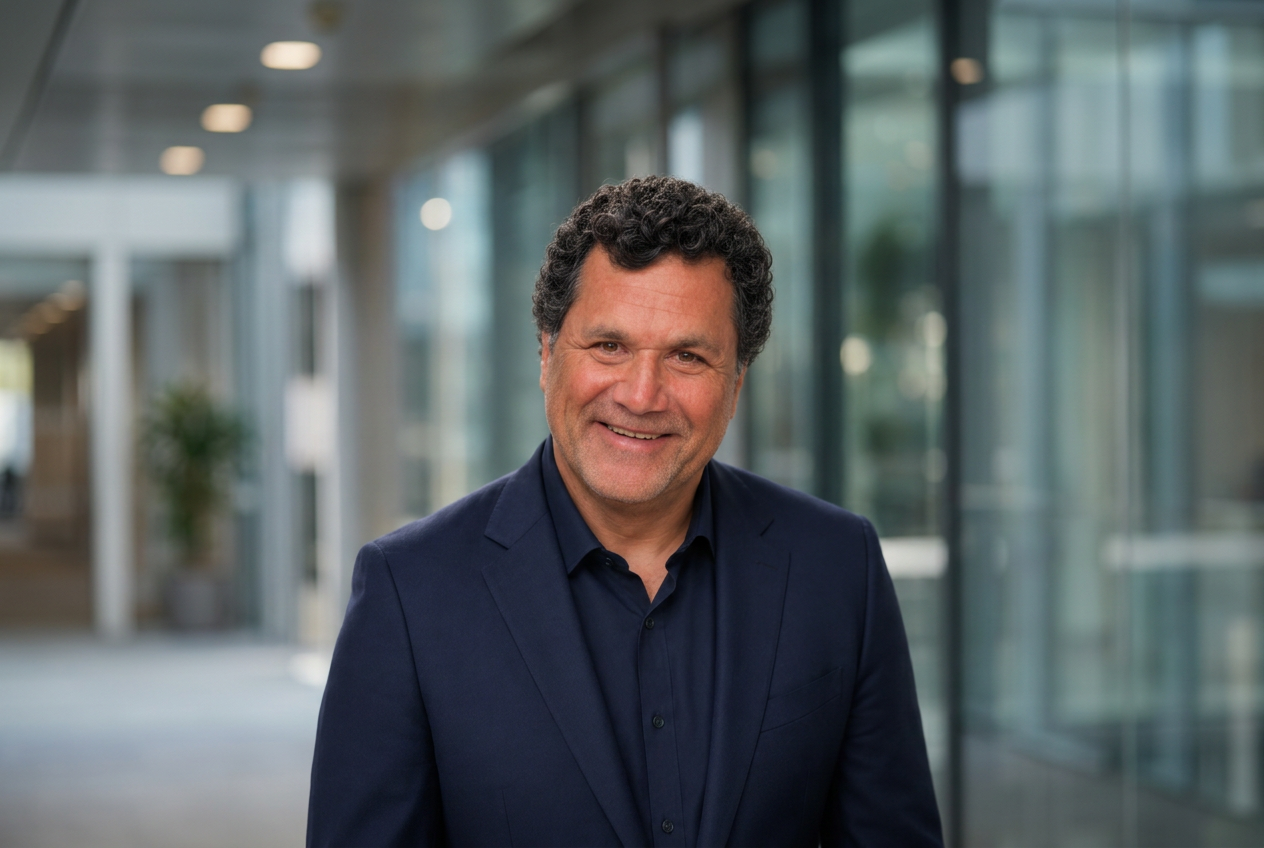
Alain Steinberg is Co-Founder and Director of #inextremis, a Brussels-based communication agency working at the intersection of institutional branding, strategic communication and visual storytelling.
For more than 30 years, he has helped international institutions, European institutions and agencies, and European associations give clearer form to complex mandates, collective voices and public responsibilities.
His experience includes work for organisations such as the World Customs Organization, Eurocontrol, the European Securities and Markets Authority, the United Nations Environment Programme, the European Environment Agency and the European Committee of the Regions, as well as leading European associations and representative bodies.
He has also worked with leading European associations and representative bodies, including the European Banking Federation (EBF), EuroCommerce, APPLiA — Home Appliance Europe, and the Community of European Railway and Infrastructure Companies (CER), helping organisations strengthen the clarity, coherence and credibility of their communication.
This publication reflects a simple conviction: social media should not merely make a European association more visible. It should make the organisation more legible, more connected and more capable of advancing its mission.
Copyright 2026 Alain Steinberg / Page in extremis Srl. All rights reserved.
All texts, concepts, editorial structure, diagrams, tables and other original materials contained in this publication are protected by copyright. No part may be reproduced, adapted, translated, distributed or used in any form without prior written permission, except for brief quotations with appropriate acknowledgement.
The right of Alain Steinberg to be identified as the author of this work has been asserted. All trademarks, platform names and institutional references remain the property of their respective owners.
Published by #inextremis, Brussels, Belgium.